




Información adicional
| Peso | 200 g |
|---|---|
| Dimensiones | N/D |
| Formatos | Digital, Papel |
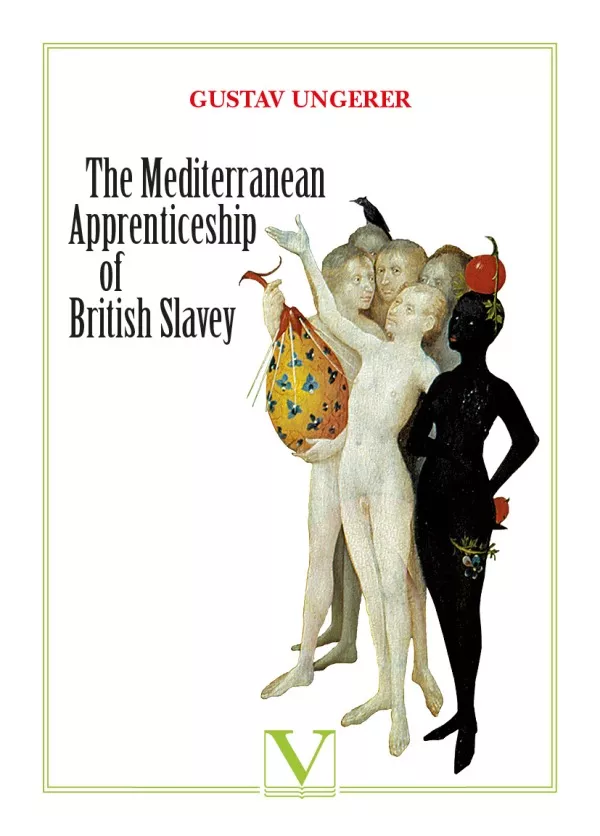
The Mediterranean Apprenticeship of British Slavey
Gustav Ungerer
152 páginas
The present study attempts to map out neglected research territory and to marshal a powerful body on silenced evidence that disprove the current view that the English in early modern Europe were laggards in exploting black Africans and Moors as salves and domestic servants.
The finding of the author’s researches, carried out in Spanish and English archives, have brought to light that the dawn of British black slavery has to be set back to the 1480s. A crop of records unearthed in Seville, Simancas, Sanlúcar de Barrameda, and Santa Cruz de Tenerife leave no doubt about the fact that the English merchants resident in Andalusía at the turn on the 15th / 16th centuries were the pioneers of British transatlantic slavery.
REVISTA MUNDO NEGRO
Por Manuel Fernández
Los hallazgos de G. Ungerer señalan un nuevo campo de investigación histórica con relación al comercio de esclavos africanos por y en el Reino Unido. Las fuentes consultadas indican que el primer comercioante de esclavos no fue Sir John Hawkins, como venía proclamando la historiografía británica.
Este libro mantiene que los británicos se iniciaron el trata de esclavos en el Mediterráneo, y particularmente en Andalucía. El primer británico traficante de esclavos se llamaba William de la Founte, comerciante de Bristol y con actividades comerciales en Huelva. Las fuentes manejadas para esta tesis están en el Archivo General de Indias, Archivo General de Simancas, Archivo Histórico de la Provincia de Sevilla y Tenerife.
Como socios de comerciantes españoles y portugueses residentes en Andalucía, los británicos se fueron preparando para entrar de lleno en a floreciente trata de esclavos. La presencia de esclavos negros era notoria en la corte de Enrique VII y enrique VIII: parece ser que en las Islas Británicas estaba prohibida en esa época la esclavitud de británicos pero no de la de moros y negro.
Dear Friend and Colleague
You may be interested to know that my book on the beginnings of British black slavery was shortlisted for the ESSE (European Society for the Study of English) Book Awards to be given on the 10th ESSE Conference in Turin last August.The awards were finally allotted to three colleagues, who had also been shortlisted, and my book, regrettably, was classified under «Honourable Mentions». This means that the book is going to be recommended to the 8000 ESSE members in the European Messenger, the journal of the society, and also in the society’s website (www.essenglish.org/bookaward.html).
I therefore hope that the sale of the book has been gathering some momentum this autumn.
With best wishes.
Le recomendamos …

Retos de representación

El espíritu de la naturaleza
Imágenes transpacíficas

El carnaval de las coplas, un arte de Cádiz
Colonialismo e independencia cultural

Historia de la decadencia de España
Hilachas coloridas de literatura oral tunecina. Recogidas, hiladas y tejidas

Historia cómica de los pájaros
Dostoyevski y su influencia en la cultura europea

El concepto del tiempo

La música en el contexto religioso de La Habana colonial

Avatares del Hacedor. Jorge Luis Borges (1986-2016)
Mujer y familia en la sociedad cubana 1889-1918. de la esfera privada al espacio público

Yo quisiera ser Paul Auster
Escenas y tipos matritenses

Historia cómica de los gatos
Historia laica de la Iglesia

Historia cómica del deporte

El segundo libro

El hinduismo en sus textos esenciales
Gustav Ungerer
152 páginas
The present study attempts to map out neglected research territory and to marshal a powerful body on silenced evidence that disprove the current view that the English in early modern Europe were laggards in exploting black Africans and Moors as salves and domestic servants.
The finding of the author’s researches, carried out in Spanish and English archives, have brought to light that the dawn of British black slavery has to be set back to the 1480s. A crop of records unearthed in Seville, Simancas, Sanlúcar de Barrameda, and Santa Cruz de Tenerife leave no doubt about the fact that the English merchants resident in Andalusía at the turn on the 15th / 16th centuries were the pioneers of British transatlantic slavery.
REVISTA MUNDO NEGRO
Por Manuel Fernández
Los hallazgos de G. Ungerer señalan un nuevo campo de investigación histórica con relación al comercio de esclavos africanos por y en el Reino Unido. Las fuentes consultadas indican que el primer comercioante de esclavos no fue Sir John Hawkins, como venía proclamando la historiografía británica.
Este libro mantiene que los británicos se iniciaron el trata de esclavos en el Mediterráneo, y particularmente en Andalucía. El primer británico traficante de esclavos se llamaba William de la Founte, comerciante de Bristol y con actividades comerciales en Huelva. Las fuentes manejadas para esta tesis están en el Archivo General de Indias, Archivo General de Simancas, Archivo Histórico de la Provincia de Sevilla y Tenerife.
Como socios de comerciantes españoles y portugueses residentes en Andalucía, los británicos se fueron preparando para entrar de lleno en a floreciente trata de esclavos. La presencia de esclavos negros era notoria en la corte de Enrique VII y enrique VIII: parece ser que en las Islas Británicas estaba prohibida en esa época la esclavitud de británicos pero no de la de moros y negro.
Dear Friend and Colleague
You may be interested to know that my book on the beginnings of British black slavery was shortlisted for the ESSE (European Society for the Study of English) Book Awards to be given on the 10th ESSE Conference in Turin last August.The awards were finally allotted to three colleagues, who had also been shortlisted, and my book, regrettably, was classified under «Honourable Mentions». This means that the book is going to be recommended to the 8000 ESSE members in the European Messenger, the journal of the society, and also in the society’s website (www.essenglish.org/bookaward.html).
I therefore hope that the sale of the book has been gathering some momentum this autumn.
With best wishes.
The Mediterranean Apprenticeship of British Slavey
| Peso | 200 g |
|---|---|
| Dimensiones | N/D |
| Formatos | Digital, Papel |
Le recomendamos …
La ciudad sonora

Emilio o la educación

El libro de los cinco anillos

Historia de los Judíos en España

Juan Manuel de Prada: de héroes y tempestades

Cartas desde una soledad

El libro de Enoc